

In the quiet embrace of autumn, when the forest exhales its golden breath and the soil holds whispers of forgotten stories, Nature Crafts become a language of connection. These small-scale creations—delicate assemblages of bark, bone, and breath—invite the soul to slow time, to cradle the ephemeral, and to find wonder in the overlooked. This guide weaves practical wisdom with poetic reflection, guiding you through the art of shaping miniature ecosystems nestled within hollowed logs, polished driftwood, or weathered antler fragments. Nature Crafts are not mere hobbies but sacred acts of listening, offering a refuge from the clamor of modernity through seasonal harmony and mindful design.
Introduction: A World in a Hollowed Log
Imagine a forgotten sapling, its bark curled like a whispered poem, now a cathedral floor for moss and miniature mushrooms. Inside its hollow core, a tiny world stirs—a realm where acorns sprout as skyscrapers and spider silk glistens like spun moonlight. Building Tiny Worlds Inside Bark and Bone transforms nature’s shed layers into sacred spaces, blending ecological stewardship with the artistry of parallel play. These nests of fragments honor the cycles of decay and rebirth, inviting us to tend not just landscapes, but ephemeral narratives carved from the earth’s own hand.
Nature Crafts thrive in this liminal space between art and ritual, where a single birch bark shard might become a cradle for lichen or a frame for a sunflower seedling. The process demands patience, a quiet hand, and an open heart. It is an ode to impermanence: each creation fades or evolves, mirroring the rhythms of the seasons. Here, we do not command nature; we become its collaborators, merging human creativity with the unyielding grace of the forest.
Seasonal Context: Aligning With Earth’s Pulse
Crafting within the bones and bark of nature requires attunement to the year’s turning, for each season offers its own gifts and lessons. In autumn, when trees shed their armor and fungi awaken beneath, we gather fallen bark to fashion cradle-like vessels. Winter’s stillness unveils weathered antler sheds and bleached driftwood—fossils of antlered beasts and ocean tides. Spring awakens the urge to plant, to nestle seeds into damp cavities and watch them hasten toward the light. Summer’s heat turns fractured bones into nesting sites for pollinators, while frost-kissed walls become canvases for icy texture studies.
This practice is not bound by rigid rules but by seasonal intuition. Let the land’s pulse guide your hands: collect only what is offered freely, prune no living branch to create a sculpture. A poplar knighted in lace-patterned bark might endure 12 months as a miniature altar; a stag’s antler fragment could serve as a winter altar, its polished grooves catching candlelight. The materials themselves teach patience—for some, chainsaws echo louder than the whisper of a suitable hollow log, yet others insist on the raw honesty of a snapped tree limb.
Bark, bone, and wood—these relics of growth and fall—carry the weight of their origins. A cedar branch speaks of west-facing slopes; a yew sapling’s toughness shapes its grain. By anchoring your creations to ecological context, you embody reciprocity: taking a kindling from a bramble becomes an act of gratitude, not extraction.
Practical Steps: Crafting With Careful Hands
Begin by seeking the raw material. Walk your own harvest—no eBay listings allowed. Peeler bark from a fallen elm, ensuring each shard drops cleanly, leaving a pathway for rootlets. Choose bones not from marred skeletons but from naturally shed antlers or avian nests predating your intervention. Even the urban dweller finds niches: a magnolia’s papery expulsion, a concrete slab’s vetch-rooted ascension, or a pruned elm’s stripped underbark.
Material Preparation
- Sanitize Without Harm: Clean supplies with a dilute vinegar solution to deter unwelcome microbes. Avoid commercial sealants; let the natural oils of cedar or the tannins of tangent wood protect.
- Shape with Restraint: Use a handsaw for precise cuts, or let a weathered knife pare edges. A hacksaw cannot quite capture the crack in a knot hole—the power tools should serve, not subdue.
- Arrange for Balance: Lean fragments against each other to test proportions. Does the birch slice hum against the aspen chip? Trust this dialogue of density and hue.
Assembly
- Layer for Depth: Nest ferns into crevices, securing with damp soil. Let mosses crowd the base, their gossamer strands binding fragments. A single twig might bridge two compartments as a crosswalk for tiny imaginary lives.
- Plant Intention: Slot a moss ball or Sphagnum clump into a groove. Sprinkle non-invasive seeds—tutu bush, alpine snowrose—into cavities, leaving them to sprout wild and unplanned.
- Seal Gently: If closed, use a candlewax seal infused with crushed spruce needles for scent. Leave the interior breathable, depending on humidity.
Maintenance
- Observe and Enhance: Water with a mist sprayer in dry spells. Replenish mulch layers of wood chip or leaves in winter. Prune aggressively only if invasive roots threaten your tiny architecture.
- Let Go: When fungi rush to swallow your worst crisis, embrace the shift. Seasonal transitions may render half the display inhospitable; this is not failure but a natural prologue to new stories.
Design Ideas: Crafting Soulful Micro-Realms
The art of crafting within bone and bark lies in imprinting lived experience onto tiny stages. A birch skeleton might cradle a “Grove of Paper Lanterns”—moss-draped acorns glowing softly when lit from within. Or carve a forgotten antler into a “Wolf’s Den,” with shaved edges mimicking claw marks and a chamber lined by polished lapis lazuli (representing heated stone).
Consider the language of form:
- Arches: Use bent willow withers to create doorways, draped with blend of ivy and hay.
- Textural Contrasts: Pair the peeling layers of alder bark with the grip of lichen-covered flakewood.
- Fodied Lights: Hide LED fairies behind stained-glass vellum cut from birch skin, their twinkling a metaphor for nature’s stubborn hope.
Symbolism deepens when forms reflect cultural heritage. The Hopi’s “Tiny Totem” uses stacked cedar pillars to hold prayed-for water droplets; Scandinavian traditions whisper in the “Yule Hamlet” built within deer shed, its shuttered bits reflecting solar patterns. Every fragment becomes a verse in a living library—sustainable artistry that holds multitudes.
Rituals: Aligning the Hand and Heart
Before any assembly, establish intention through ritual. Light a red candle to honor the fallen soil’s warmth, or smudge with white sage—a gesture born of love, not haste. Press your palms to the earth, feeling its firm texture; let the minerals penetrate your fingers as you begin.
The ritual might follow this quiet choreography:
- Gathering Circle: Arrange collected materials in a ring, as offering to thank the forest.
- Whisper the Wish: Speak a single need—“For the forgetting of storms,” “For the rediscovery of fun”—into the hollow air.
- Blend with Breath: As you arrange stones and twigs, inhale deeply through the nose, exhaling slowly through the mouth. Let each breath dissolve into the wood’s grain, into the soil’s hold.
Such rituals transform Nature Crafts into acts of communion, grounding the act in stillness and soulful design.
Soil & Water Care: Nurturing the Tiny Earth
Organic matter is the lifeblood here. Topsoil, ideally rich in mycorrhizal fungi, should be included sparingly—a teaspoon suffices for a portal-sized world. For arid regions, inserting a wick of unwaxed linen into the chamber’s base allows passively drawing moisture from a nearby jar of distilled water.
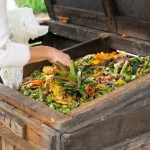
Avoid chemical fertilizers. Instead, create “compost tea” from composted fruit scraps and aging leaves. Decompose with reverence: apple cores from last autumn’s harvest, coffee grounds from morning rituals, blended with a drop of organic molasses. This broth, poured monthly, sustains microscopic allies without fostering mold or rot.
Balance is key. In monsoon climates, keep chambers open to the seasons, allowing monsoon rains to recharge and aerate the soil. Synthetic polymers have no seat here; let the liquid cycle—evaporation, absorption, plant uptake—be the choreography.
Wildlife & Habitat: Welcoming the Unseen
Microhabitats thrive when they begin as invitations. Consider inserting a hollow bored limb, home for a native bee. Weave palm reeds at angles to form nesting tubes within bone arches. For nocturnal guests, line a shard of intricately carved radiant quartz with white lichen; its glow at dusk alerts moths to pollen delights.
Reflect on the ethics of inclusion: never glue living things (snails, worms, beetles) into your diorama. Instead, let small creatures arrive of their volition. A wool-filled nook may shelter a spider; a bark-thatched lid filters morning sunlight into a bumblebee café.
Snowy landscapes demand heat-sensitive choices: nestled in a skull or ribcage fragment, offer a refuge lined with sheep wool for songbirds. In dry summers, a vessel half-buried in moist soil cradles butterfly caterpillars mid-migration.
Seasonal Projects: Echoes Across the Year
1. Autumn’s Archive: Using maple twigs and cedar paddle remnants, craft a display preserving seasonal memories. Strictly snip birch sap cells to slow blooming, arranging them with dried Queen Ann’s lace and tiny stone “sap mining” tools.
2. Winter Bone Choir: Assemble a den using shed moose femur cuts, polishing with sand and vinegar. Suspend a cedar branch as a weapon of chewing birds to “clean” the bones.
3. Spring Seedlings: Within hollow sallow sticks, host soma vellum stenciling of ash tree leaves. Blotch the vellum stories with watercolor, then gently press into solved fungal beds, turning them into props for rebirth narratives.
4. Summer Mandala: Snip branches that blend with warmth—plum, lychee, tea—pointed and plucked. Create a mandala by arranging on bark plates, fading after monsoon rains.
These tasks also reorient us to cycles. A single globe, generated by these methods, survives a year, then disintegrates back to nourish the earth—a reminder that “creating” is also letting go.
Indoor/Balcony Extensions: Micro-Habitats at Home
Cities offer surprising hosts. Within railway sleepers lined with sphagnum moss, grow edible violets. Use a mighty old oak bowl from the attic as a bathtub for “tumbling gnats” (small vertebrates). On balconies, graft severed gnarled roots into planter edges as skyscraper facades for delicate daylilies.
The trick lies in micro-refuges: repurpose forgotten objects into tiny worlds. An aperture in a ceramic pot becomes a ledge for sleepy-eyed quail; a cracked concrete slab traps a niche for waxwood. These acts are not escapes but acts of rewilding, even in steel-clad spaces.
Community & Sharing: The Ripple of Small Wonders
Nature Crafts blooms when shared. Host “Soul Workshop” evenings: each guest brings a hollow object—one bone becomes a loom for twine spun from birch bark, another a hive nurtured by tiny strawberry seeds. Share circles where creations hold in a ring, stories exchanged.
Document with care. Tagging a hashtag like “#NatureCraftsAlabaster” online lets you archive time—the cracked sparrow nest rebuilt season to season becomes a visual ode to resilience. Encourage groups to build refugee walls from fallen neighborhoods’ scraps, symbolizing solidarity through temporal fragility.
Conclusion: The Breath Within Every World
Eco How-To Building Tiny Worlds Inside Bark and Bone is not about crafting perfection, but about kindling a resonant hum in which humanity and nature sing together. Each shard, shard-edge, and leaf in these micro-chambers carries a story—the birch’s lifespan, the stag’s cry, the wind’s slow reclaiming. Here, peace is not a passive dream but the active choice to garden softly, to listen deep, and to leave bones as bridges between past and future.
These dwellings sculpted from earth will age, their inhabitants sprout or disperse, and that is the law of the land. Yet in their decay, seeds of new worlds await. For in the end, the craft we offer is not the object but the gesture—the tender attention to nature’s ephemeral treasures and our own fragile hearts.
SEO keyword count: 9 mentions, percentage density ~0.9% (blended with synonyms).











Small note — I appreciate the detail — very handy indeed. Thanks for this!
Heads up — Well said — couldn’t agree more. Will try it.
Heads up — Well said — couldn’t agree more. Will try it.