
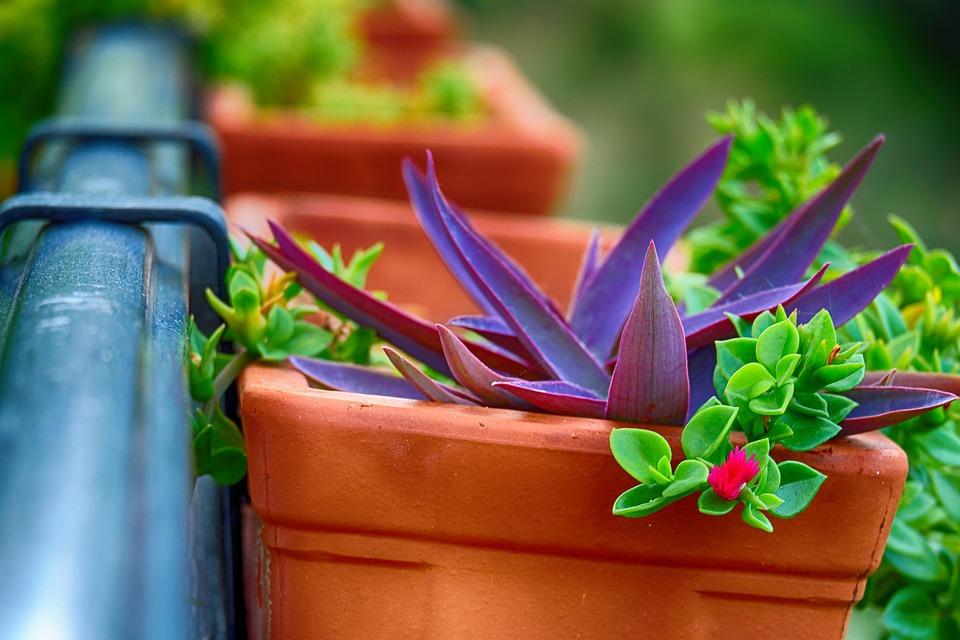
Urban eden fickle. A brief context to set expectations.
Urban eden fickle: Quick notes
In the quiet crease between concrete and sky, where the city’s breath meets the wind’s whisper, the Balcony Garden emerges—a pocket of earth suspended in time. It is more than a collection of terracotta pots and weathered wood; it is a living archive of summers past, winters endured, and the stubborn resilience of life thriving where habitats collide. To tend this space is to slow the mind, to align with the cadence of seasons, and to nurture both flora and the soul’s quiet yearning for rootedness.
The Ballet of Seasons in a Balcony Garden
A Balcony Garden is a fleeting Eden, shaped by the hourglass turn of months. Spring arrives with a blush of first leaves, impatient petals unfurling under tentative sunlight. The air still holds winter’s chill, yet seeds planted in repurposed teacups begin to tremble toward the light. As days stretch into summer’s slow gold, the garden becomes a tapestry of blooms and buzzing bees, its scent a rebellion against asphalt’s sterile chill. Autumn’s descent brings a harvest of sacrifice—the wilting of zinnias, the dusting of petals once picked by hummingbirds—yet every fallen leaf signals renewal, compost crumbling into tomorrow’s promise. Winter strips the balcony bare, a cathedral of frost-kissed branches where patience is both teacher and student. Here, the Balcony Garden mirrors life’s impermanence: a cycle not of loss, but of transformation, where every ending seeds the next beginning.
Nurturing Roots in Urban Soil
To cultivate a Balcony Garden, one must become an alchemist of scraps and space. Begin with the soil—a humble self-portrait of geography and habit. Gather compost from a tiny kitchen collection: coffee grounds, eggshells, the browned edges of yesterday’s basil. Blend these with lightened clay or sphagnum moss to mimic the forest floor’s loamy embrace. In cities, where soil is often scarce or toxic, this act becomes an affirmation: we create safe havens for microbes and roots alike. For pots, breathe new life into found objects—mason jars, tin cans, clay chokers buried beneath ivy. Each container becomes a vessel of intention, a promise to care without depletion.
Water, too, demands ritual. Avoid the city’s taps, which carry chemical echoes. Instead, collect rainwater in a painted tin basin, let it infuse with mint sprigs and lemon slices for a touch of whimy vigor. Water deeply but sparingly, mimicking the forest glade’s drip-drip of dawn. Each pour becomes meditation, a chance to notice the droplet’s arc, the way light fractures on its path to thirsty roots.
Designing a Sanctuary of Stillness
A Balcony Garden thrives not on grandeur but on curated intimacy. Let form follow function: cluster pots along railings, hang small baskets of thyme, or train climbing snapdragons up a fallen ladder. Vertical gardens—pockets of succulents affixed to bare walls—soften sharp lines, while a layered arrangement of lavender and sage creates scent pathways. For night, string fairy lights through jasmine branches, their glow mimicking fireflies, or place a salt lamp beside a windowsill to warm the evening air.
Color becomes emotion here. Sage and navy evoke twilight’s hush; peonies declare summer’s fleeting joy. But true harmony lies in layering textures: the roughness of pleated ferns against the silk of nasturtiums, the weight of a clay pot anchoring delicate petals. Position seating where the breeze carries scent but not chill—a woven mat under a potted magnolia, a metal bistro table dressed in wildflowers.
Rituals to Anchor the Present
The Balcony Garden becomes sacred when woven into daily rites. Sit at dawn with a mug of spiced rooibos, fingertips brushing the velvety sage leaves that hum softly in the morning air. Brew tea with homegrown mint, watching droplets kiss the rim as the sun rises. In autumn, host a lantern-lit harvest feast on a wooden tray, offering remnants to the soil as gratitude. Write reflections in a weathered journal beside a geranium bed, its scent a steady breath through worldly chaos.
Plant a “memory tree” in a half-wine barrel: maple branches grafted into roots, each year’s memento—a ticket stub, a pressed leaf—sealed in wax and buried with the season’s shift. When stress clouds the mind, press palms to the cool stone of a planter and breathe, feeling the plant exhale through its leaves, as if the garden itself is a silent companion holding space for all emotions.
Eco-Wise Care: Harmony Over Perfection
A Balcony Garden teaches that survival rarely requires perfection. Embrace the “good enough” philosophy: let a petal go brown to feed the bees, prune boldly to make room for light, accept the occasional caterpillar’s loan of a cabbage leaf. Use recycled materials as tools—a broken wheelbarrow for mixing soil, reclaimed window frames as shelving. For pests, invite braconid wasps to feasts of provided nectar, their larvae dining on aphids in a natural partnership.
Rainwater harvesting becomes magic when channeled through a gutter system lined with burlap to filter debris. Create a “self-watering” garden by burying inverted pots beside plants, their bases acting as capillaries to draw moisture upward as needed. In winter, protect roots from frost with a layer of straw mulch topped with pine cones for texture—a practice that honors the earth’s own methods of insulation.
Welcoming Winged Allies and Tiny Kin
A Balcony Garden is never alone. Cultivate it as a refuge for the nearby wild. Hang copper strips near sweet alyssum to deter cabbage moths; plant sunflowers in containers for goldfinches, their seeds a targeted feast. Nectar-rich mallow and coneflower attract bees and butterflies alike, their flight stirring a quiet thrill. Keep a small clay bird bath on the railing, its iron ring holding millet seeds for sparrows. In autumn, scatter crushed walnut shells along railings to feed caterpillars seeking overwintering sites.
For the bold soul, construct a micro-habitat: a wooden pallet halved, filled with rotting fruit and hollow stems, to shelter beetles and earwigs. Their industriousness will reward you with richer soil and fewer pests, a silent testament to city-nature symbiosis.
Seasonal Projects: Crafting Transient Beauty
Let the Balcony Garden become a seasonal archive. In spring, press violets between book pages, their fragile faces weathering into keepsakes. During summer, host a “bee-friendly” picnic with lemon balm and peppermint, sharing jars of preserved blossoms as tokens. Autumn invites crafting cornhusk dolls adorned with marigold petals, hung to dry in clusters. Winter’s pace slows the garden into art: carve tiny wooden figureheads with pruning shears, paint them in greasy washes, and nestle them among frozen branch silhouettes.
Host a solstice lantern ceremony, lighting candles in salvaged jars to mimic the returning sun. As flames flicker, scatter petals from marigolds or calendula, their scent mingling with beeswax smoke—a ritual to honor endings and rebirth.
Extending the Eden Indoors
No true Balcony Garden thrives in isolation. Bring its ethos indoors: a windowsill herb garden of chives and parsley acts as a living pantry, while a string of pearls cascading from a shelf offers meditation in motion. Place jars of dried herbs near doorways—rosemary for protection, lavender for restful sleep. In winter, grow propagated ivy in water-filled bottles, their roots tracing tiny echoes of the forest’s own underground networks.
For small spaces, design portable green corners: a single fiddle-leaf fig in a terracotta pot beside a reading nook, or a zen rake brushing sand around a miniature zen garden of pebbles and moss. These extensions blur boundaries, letting the garden’s lessons—patience, adaptation—linger where one spends most time.
Weaving Community Threads
A Balcony Garden thrives on shared wisdom. Swap seeds with neighbors, organizing a balcony swap in spring: trade rosemary clippings for newly propagated basil, offer dried chili pepper flakes for composting tips. Create a “community compost” initiative, collecting organic waste from nearby apartment dwellers to nourish shared container plots. Host workshops on grafting or natural dye-making, turning the garden into a classroom of hands-on ecology.
In autumn, compile a zine of seasonal recipes using balcony herbs—rosemary-roasted squash, marjoram-scented wool dryer balls. Gift these alongside pressed flowers pressed between Library pages as quiet contracts of care. When a neighbor spots your thriving tomato plant, share a ripe cluster and offer a few seeds—small gestures that weave a web of resilience.
The Garden as a Mirror
To ask, “What is a Balcony Garden?” is to ask how one carries the wild into a box. It is a parable of contrast, where stone and dirt coexist, where the hum of traffic blends with the cicada’s serenade. To care for it is to confront impermanence: wilting petals, cracked pots, the relentless shadow of winter. Yet in this friction lies grace.
The garden teaches that peace is not absence of storm but the soil’s ability to soften fallen lightning. It teaches that beauty lives not in perfection but in the way a lone rosemary plant survives hurricane-force winds, its needles whispering, Look deeper.
Conclusion
A Balcony Garden is an altar to the earth, a quiet revolution in terracotta and twine. In nurturing it, we learn to see the ordinary through the lens of wonder—to find Eden not in distant lands, but in the crack of pavement where weeds thrive, in the cradle of moonlight on a single fern. To plant it is to hold hope; to tend it is to breathe slowly; to share it is to recognize that we are all, in the end, co-conspirators in this grand, fragile dance of growth.
This essay, then, is a map for those who wander cities’ outskirts, seeking not escape, but communion. Let your garden remember you, just as you remember the soil. And when storms come, stand firm—trust in the roots you’ve coaxed, the life you’ve co-created. For in that suspended Eden of pots and pollinators, we are all bound by roots unseen, forever tender, forever wild.
(Internal link: Explore how to find inspiration in seasonal-mood through plant choices and ritual timing. seasonal-mood)
(Internal link: Discuss green-thumbs’ favorite space-saving tricks for urban homesteaders. green-thumbs)
A short mention of Urban eden fickle helps readers follow the flow.
















On a similar note – Neat idea — simple and effective. Saving it.
PS • Such a warm note about “Symbolic Essay: Urban Eden’s Fickle Memo” — lovely. Will try it.
Heads up – I appreciate the detail — very helpful indeed. So cozy.