
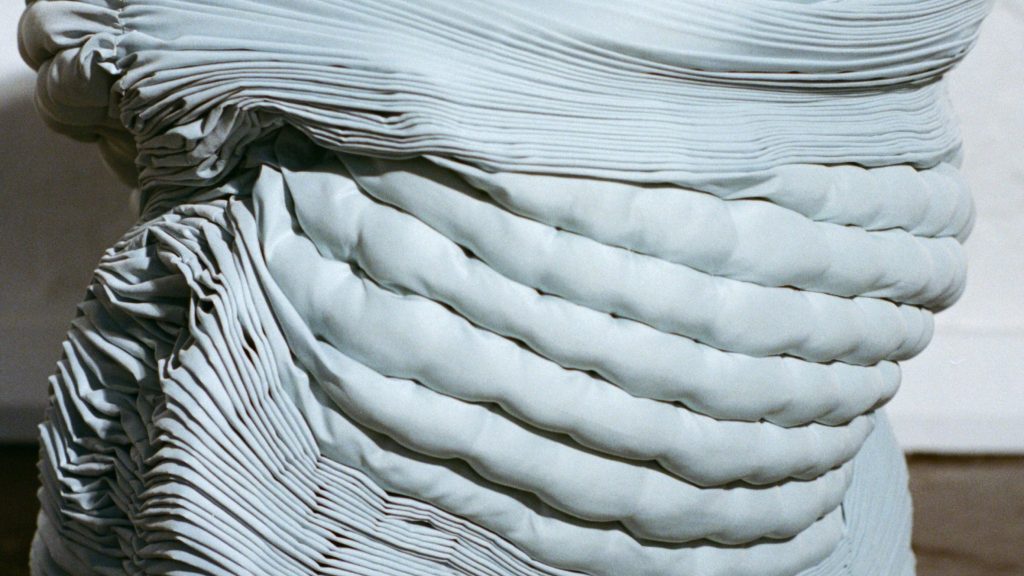
Inflating smocked fabric: a concise orientation before we get practical.
Inflating smocked fabric: Quick notes
British-Brazilian designer Tessa Silva has used sand and wool to transform pleated fabric into a series of voluptuous vases and stools.
Silva’s Smock collection was born out of a technique she developed for turning intricately stitched fabric into sculptural objects.
The London-based designer spends hours pleating and smocking deadstock fabrics, with some pieces involving thousands of stitches.
Silva’s Smock collection is made from layers of pleated fabric
To make the stools, she stuffs the pleated pockets with wool, while the vases are made by filling the folds with sand and a hardening agent derived from sugar.
This results in satisfying lumps and bumps that “swell like piped icing” according to Silva.
“It gives the pieces a sense of being alive, captured mid-motion, so you can’t quite tell what the texture or consistency will be until you touch them,” she told Dezeen.
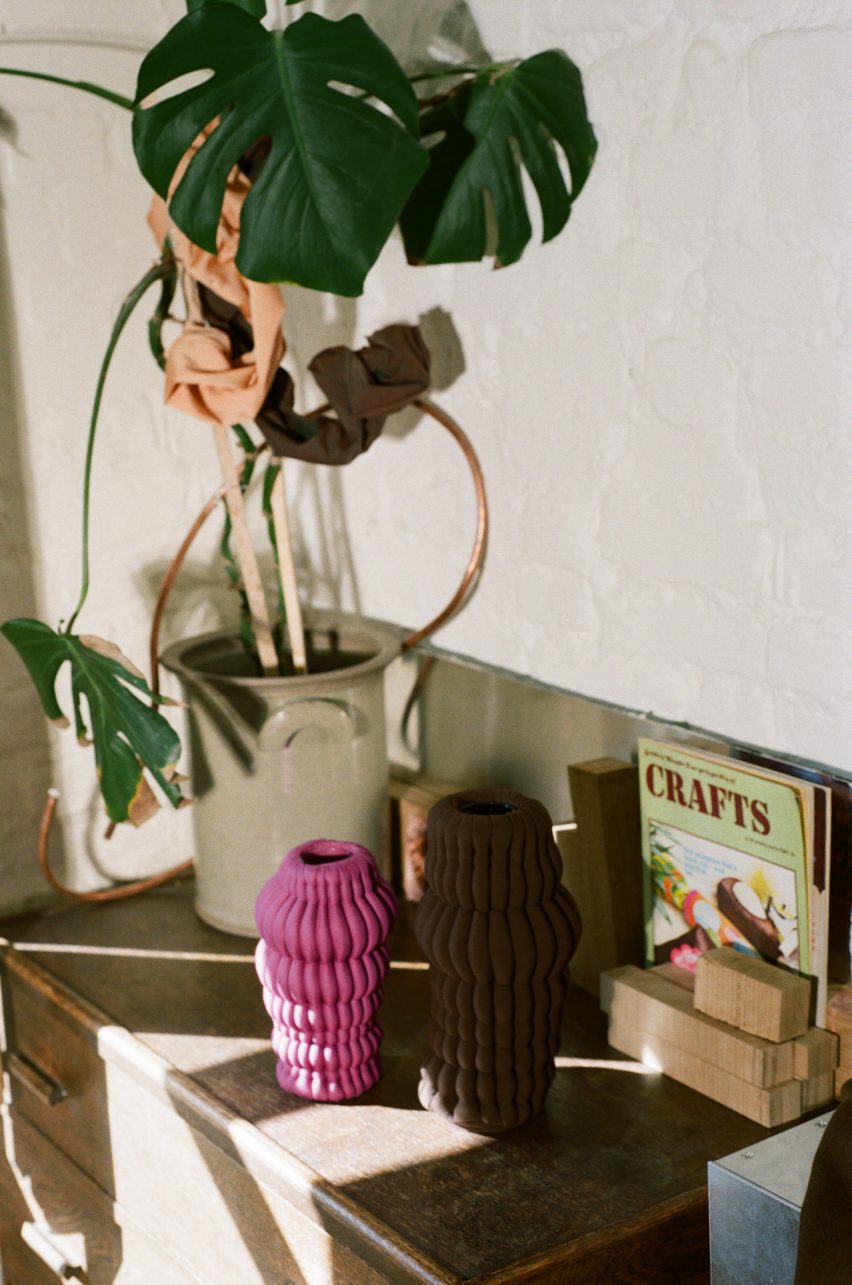 The vases are inflated with sand and a hardening agent derived from sugar
The project is a new direction for Silva; the designer first came to light with her graduation project from London’s Royal College of Art in 2016, which explored how waste milk from cheese production could be transformed into a bioplastic.
She later combined waste milk with chalk to produce a series of clay-like objects, in a series she named Chalk and Cheese.
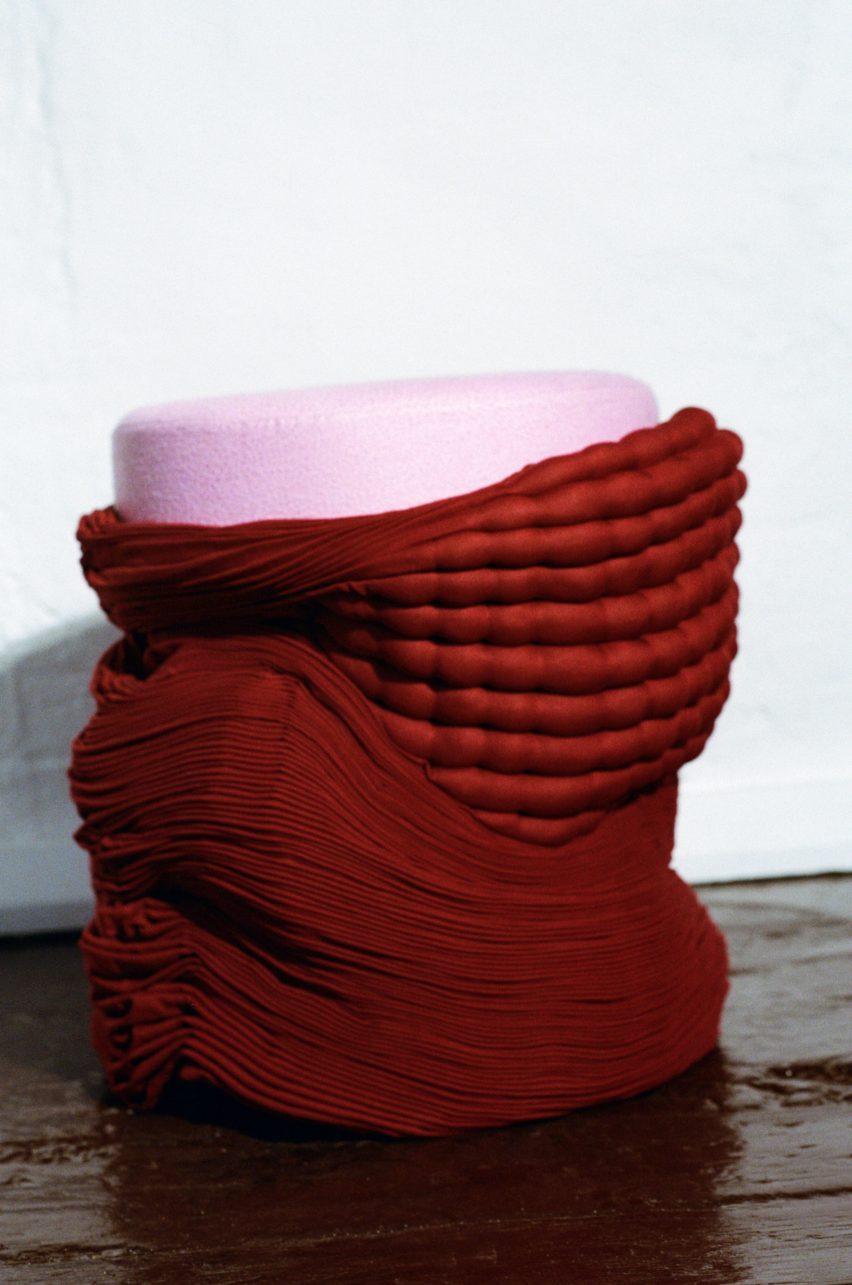 The pleated pockets of the Smock stools are stuffed with wool
Smock was actually a natural next step; Silva makes the Chalk and Cheese objects by stuffing the wet putty into textile moulds, which she stitches herself using waste fabrics from the fashion industry.
“It always felt like a shame that the fabric I used was peeled away and discarded, so I began thinking about how to develop a new project using the self-taught sewing techniques I’d built up over the years,” she said.
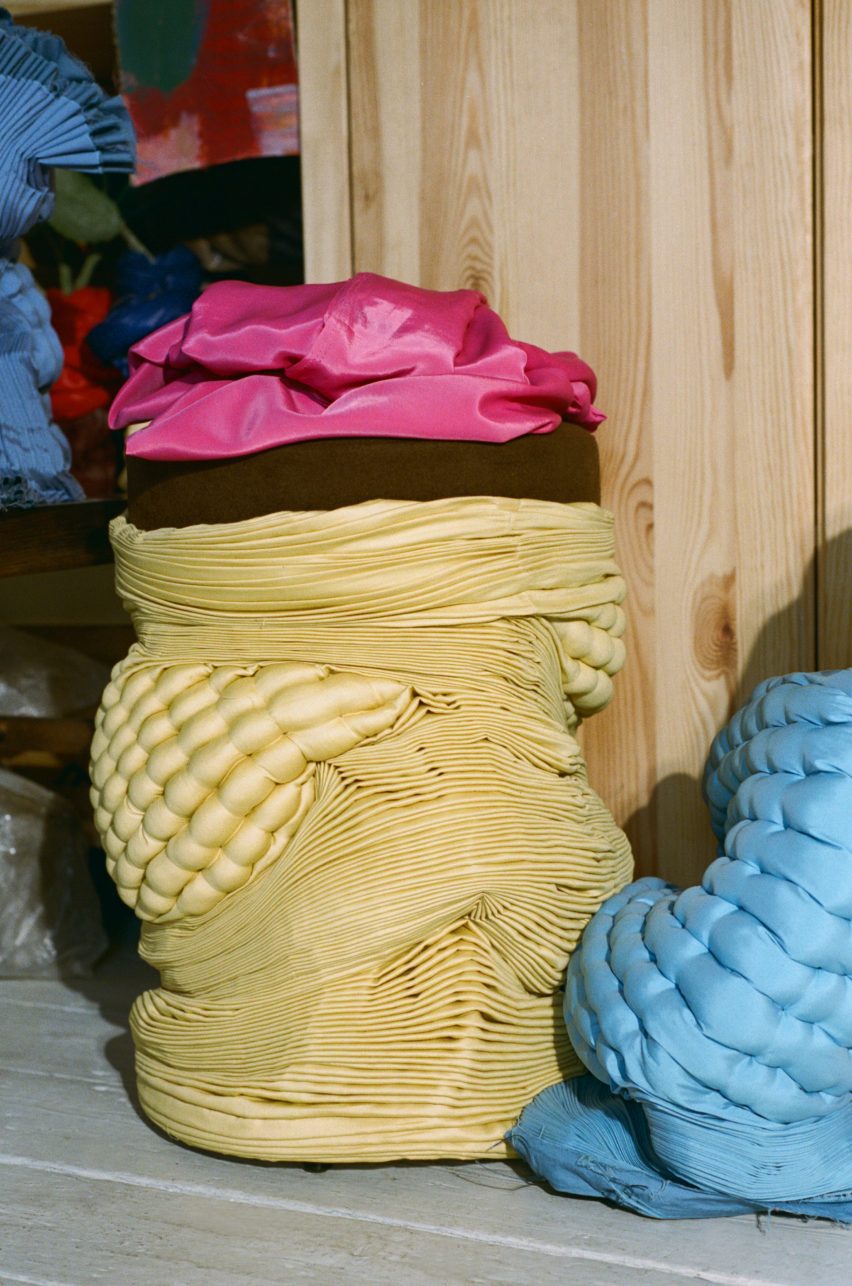 Silva stitches the patterns into deadstock fabric she sources from factories
Silva tested a range of pleating and smocking patterns to understand which worked best on a large scale.
The challenge was to understand how the pleats would change in appearance once they were inflated.
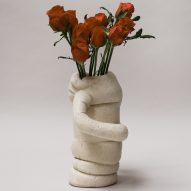
Tessa Silva creates compostable homeware from surplus milk and chalk
“It involves a lot of trial and error, but that’s also the best part – I like not having full control,” said Silva.
“It means no two pieces are, or ever can be, exactly the same.”
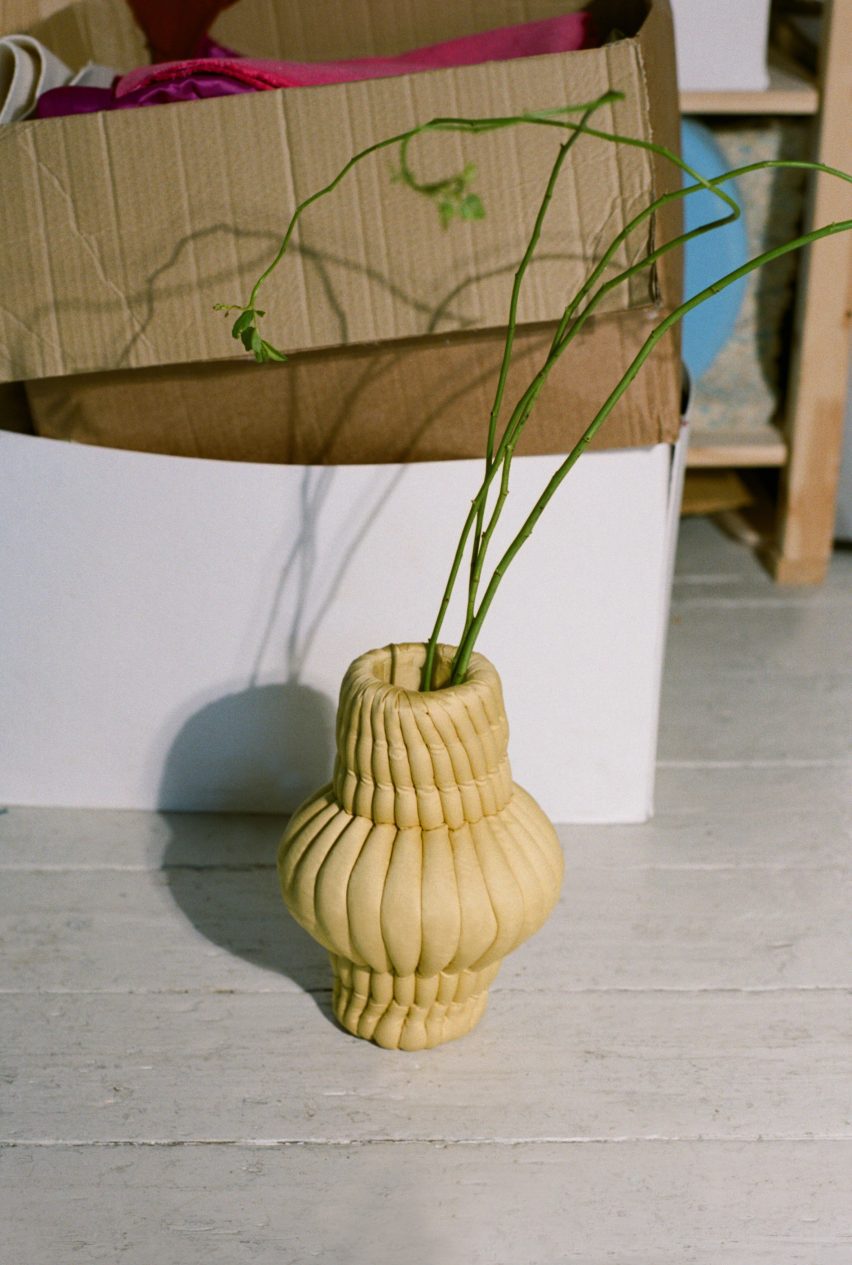 The designer tested a range of pleating and smocking patterns
The process of sewing is particularly resonant for Silva, bringing back memories of her grandmother in Brazil. Although previously it had just been part of the production process, she realised it had become one of her favourite activities.
“My grandma learned to knit and embroider at 15 and didn’t stop for over 60 years, teaching all my aunties along the way,” she said. “At any given time, there would be a group of women sewing in her house, gossiping.”
“There’s comfort and satisfaction in knowing I’m repeating the same process as generations before me.”
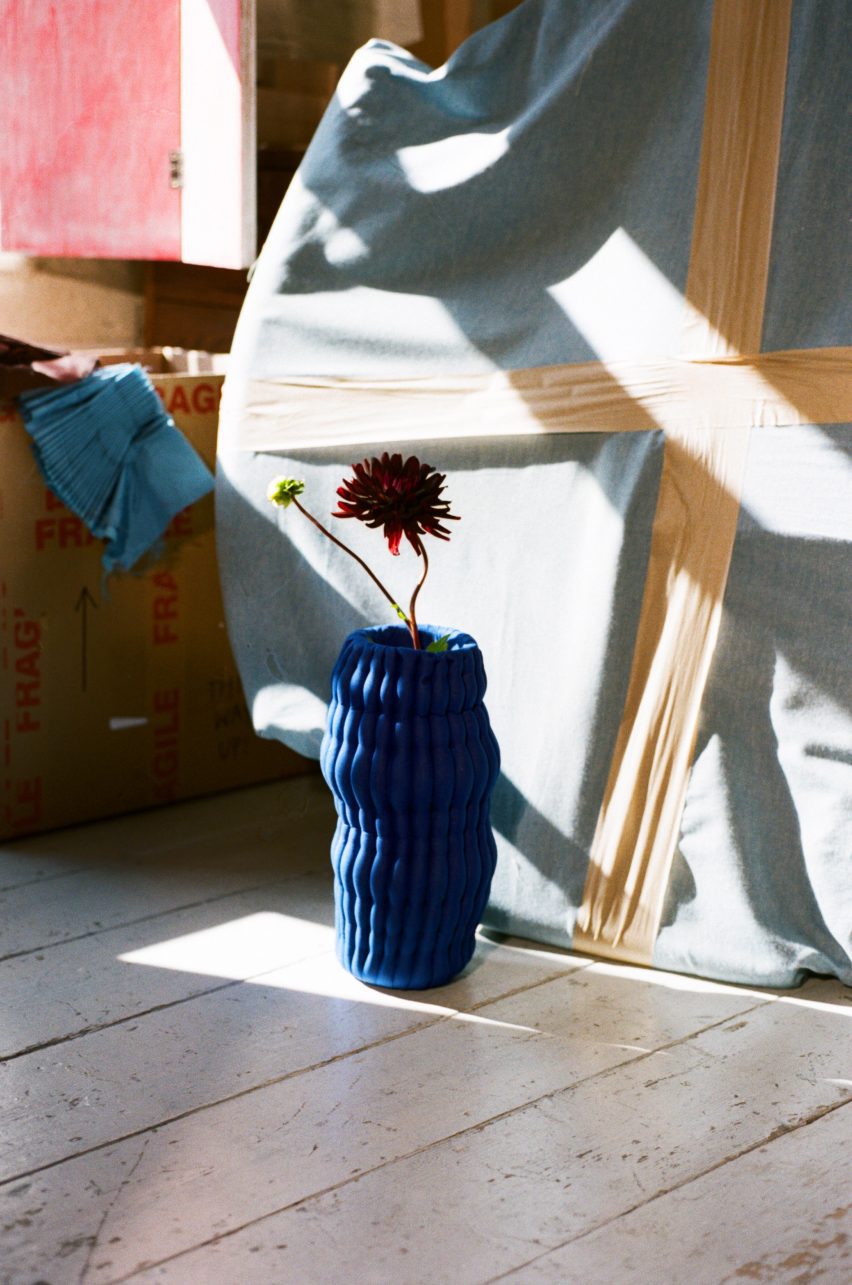 The process results in satisfying lumps and bumps
The hardening agent added to the Smock vases means these objects feel solid and weighty, while the stools retain the softness of the fabric.
Each stool requires at least six metres of fabric, with over 3,000 stitches in each. The fabrics are silk-cotton blends, while the seats are upholstered in wool or cashmere.
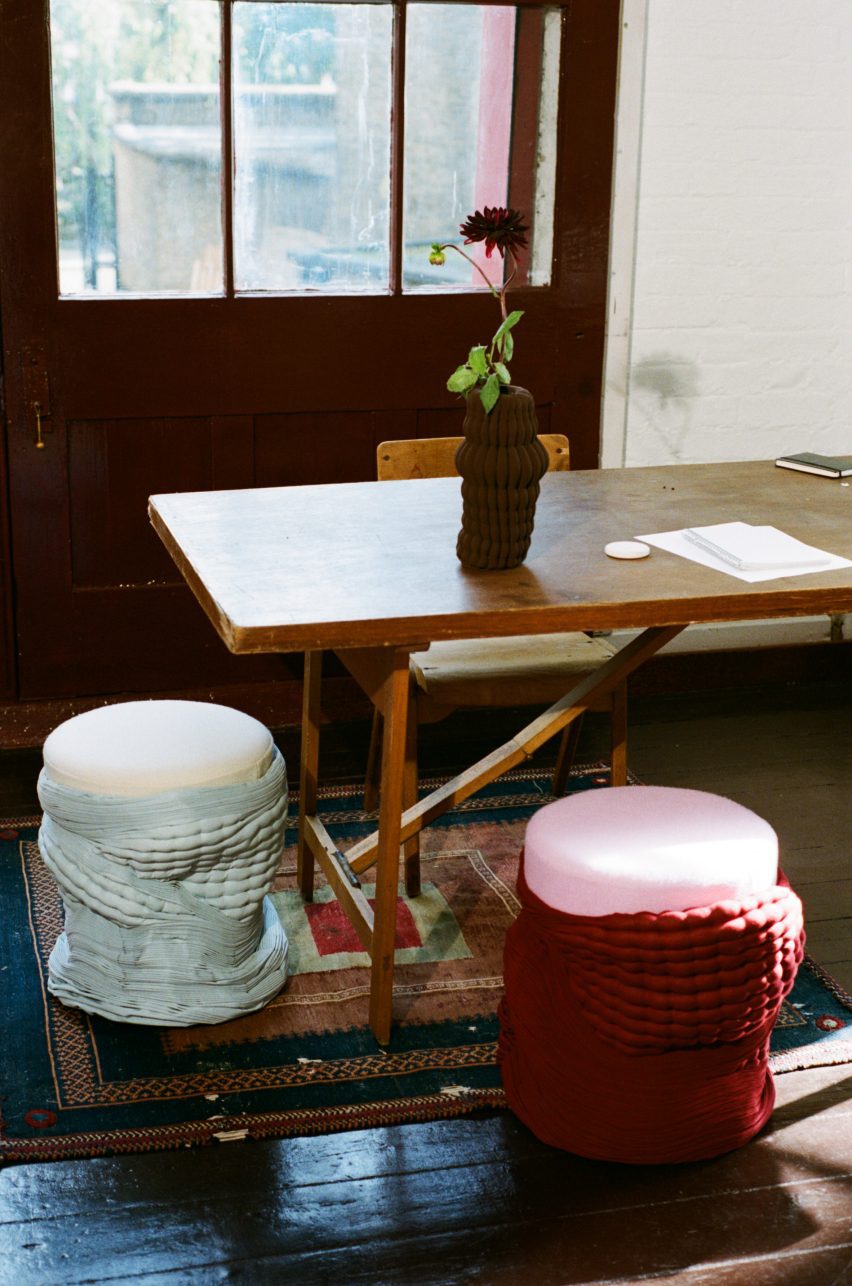 The craft process means no two pieces are the same
“Stitching is a slow, tactile craft, and these works are a deliberate return to slowness,” added Silva.
“Almost any fabric can be used, so the possibilities feel endless. I’m especially excited about producing larger-scale, statement furniture pieces very soon.”
The photography is by Benedict Brink.
We reference Inflating smocked fabric briefly to keep the thread coherent.
Inflating smocked fabric comes up here to connect ideas for clarity.












FYI • Great step-by-step — I’ll give this a go this weekend. So cozy 🌸
Heads up • I appreciate the detail — very helpful indeed. Will try it.
Exactly — I was thinking the same thing.