
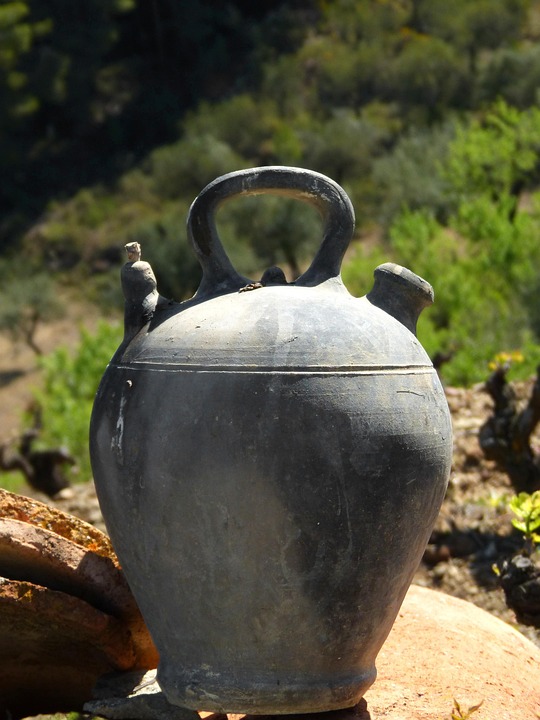
Light into clay: a concise orientation before we get practical.
Light into clay: Quick notes
Nature Crafts offer a tender bridge between human intention and the earth’s enduring rhythms. As winter settles into its quiet embrace, these creations become more than mere decor—they are invitations to slow down, to listen to the whispers of soil, light, and leaf. Crafting with natural materials during this season is not just about making beauty; it’s about reconnecting with the land’s wisdom, which teaches us to value stillness, renewal, and the delicate interplay of warmth amid the frost.
Seasonal Context
Winter is a time of dormancy and reflection, yet it also harbors hidden vitality. Frozen sap glistens in the morning sun, frost patterns etch delicate geometry across windows, and bare branches shelter small ecosystems. The turning of the seasons feels especially profound when we bring nature’s gifts into our hands—precisely why Nature Crafts thrive here. Using materials like clay, pinecones, and dried flora transforms raw winter elements into vessels of peace.
Incorporating Nature Crafts into this season embodies the philosophy of hygge, that Danish concept of coziness and contentment. When hands shape biodegradable materials into functional art, it mirrors the natural cycle of decay and rebirth. Clay lanterns shaped from locally foraged silt, for instance, don’t just illuminate—they hold the stories of the earth. The process becomes meditative, grounding the mind in the present moment and aligning our energy with nature’s tempo.
Practical Steps
Crafting with intention begins with sourcing materials responsibly. Forage fallen pine branches, collect seed pods from wilder spaces, and seek out clay deposits from riverbanks (ensuring sustainability by taking only what regenerates). Tools can be simple: a chopstick for twig arrangements, a paring knife for scoring clay, and a shallow bowl filled with warm water to reactivate dried elements.
Begin by shaping a vessel—perhaps a pendant, bowl, or lantern. Press beetroot powder or charcoal into clay to create natural pigments. Carve frost-like textures by dragging a fork’s tines across the surface while the clay is malleable. Air-dry creations slowly to preserve texture. Once hardened, sand rough edges with fine-grit sandpaper to smooth imperfections. This tactile process fosters mindfulness, inviting you to breathe rhythmically as you work.
Design Ideas
Nature-inspired symbolism deepens the resonance of these crafts. Frost-etched patterns might mimic crystalline structures, while botanical silhouettes of evergreens evoke resilience. Embed dried lavender or calendula petals within clay slabs for subtle scent and color. Jewelry can mirror the season’s interplay of darkness and light: a pine cone pendant or acorn-shaped bead.
When assembling a clay lantern, layer translucent materials like rice paper or parchment within hollowed clay shapes. Carve geometric grooves to filter light into rippling patterns. Suspend the lantern with jute twine, tying it to a tree branch or a quiet corner of your home. The glow becomes a meditation on impermanence—the flame flickering like the ever-shifting dance of snowflakes.
Rituals
To breathe silence into winter’s turning spine, design rituals around creation. Set an altar with cinnamon sticks, dried cranberries, and a candle in a clay bowl. Before beginning, sprinkle water onto stones to symbolize earth’s nourishment. As you craft, whisper affirmations tied to seasonal themes: “I welcome stillness; I honor cycles.” After completing a lantern, light it during the evening solstice to honor the sun’s return.
Soil & Water Care
Eco-conscious crafting must honor the sources materials come from. Always return scraps to the earth: dried clay can be buried to enrich soil, and woolen yarn left for composting. Collect rainwater to mix with natural adhesives, reducing reliance on tap water. When foraging, take only what regenerates immediately, leaving abundant habitats undisturbed. Each act of care reverberates in the ecosystem, closing the loop between creativity and regeneration.
Wildlife & Habitat
Crafts can support local biodiversity. Hollow out pine cones to create bird feeders, filling them with oats or unsalted popcorn. Suspend lanterns outdoors in trees to offer shelter to bees during snowy nights. By designing spaces that honor flora and fauna, we transform craft into conservation.
Seasonal Projects
Beyond lanterns, winter crafts abound. Carve miniature snowshoes or sleds from soapstone, paint bark textures with tea stains, or weave grasses into floor mats. Each project becomes a tactile ode to the season’s textures and hues.
Indoor/Balcony Extensions
Even urban dwellers can embrace this philosophy. Use dried florals in vases, hang macramé plant hangers, or create a “winter herb garden” indoors with thyme, rosemary, and mint. These micro-installations bring the serenity of Nature Crafts into any living space.
Community & Sharing
Host crafting circles using online platforms or local parks. Share skills like clay-spinning or resin pouring, swapping tips on sustainable materials. Collaborative projects—like community mosaics made from broken seashells or driftwood—build connections while echoing ecological stewardship.
Conclusion
Nature Crafts are more than handmade objects; they are acts of ecological communion. Through clay lanterns, winter’s cold transforms into a vessel of warmth, breathing silence into the turning spine of the season. By engaging mindfully with natural materials, we honor the cycle of life, nurturing both earth and soul. Let these creations remind you that peace blooms in the spaces where hands meet earth.
Seasonal Context
As winter settles in, the world shifts from frenetic bloom to quiet repose. The stark beauty of leafless trees, frost-kissed meadows, and the muted brilliance of snow inspire reflection. This transition into dormancy mirrors the inner need for rest and introspection. The season’s elemental interplay—freezing ground, crisp air, the lingering warmth of soil before deep frosts—creates a perfect canvas for Nature Crafts that celebrate impermanence and resilience.
Ancient traditions often mark winter with symbolic acts, from lantern festivals in China to Scandinavia’s julebord feasts that center on handcrafted warmth. These rituals acknowledge the season’s duality: a time of scarcity and abundance, of stillness and renewal. Crafting with natural materials during this period becomes a metaphor for curating beauty from scarcity—the way a single pine cone can hold the wisdom of a forest, or how clay, once fired, becomes enduring yet malleable again through rehydration.
Historically, many cultures used winter’s solitude for storytelling and preservation. Handmade crafts served as both art and function, storing seeds in clay jars or freezing herbs in ice ornaments. This tradition endures today in modern adaptations, like using dried citrus slices or elderberries to create biodegradable decorations that later nourish birds in the garden. Such practices align with the Seasonal Flow, where creativity and ecology become intertwined.
Practical Steps
To begin, identify locally abundant materials. In temperate regions, foraged elm bark can be shredded for dye, while in colder climates, dried cattail roots offer a starch for adhesives. Avoid synthetic additives; opt for vinegar instead of chemical fixatives when sealing objects. For clay work, dig shallow pits in clay-rich soil after rain, testing malleability by squeezing a handful—if it holds moisture yet isn’t wet, it’s ideal.
Sanitize materials: soak clay in a vinegar-water solution to eliminate microbes, and dry twigs in a low-heat oven to remove pests. Store materials in breathable cotton sacks or linen wraps to maintain freshness. Retain a small clay or stone container with sand or peat moss nearby to encourage airflow and prevent mold.
When crafting, work in a ventilated space to avoid inhaling fine particles. If using adhesives, choose natural binders like milk protein glue (from sour milk) or gelatin (from leftover bones or vegetables). These decompose harmlessly, contrasting with synthetic glues that linger in ecosystems.
Design Ideas
Wwinter’s architecture is structural poetry—crystal formations in ice, the hexagonal perfection of snowflakes, the angular repose of tree branches. Translate these patterns into craft designs. Carve geometric motifs resembling hoarfrost into clay tempera, using a metal ruler and carving tools. Dust with edible mica powder for iridescence, or layer translucent gesso over dried birch bark to mimic glacial veins.
Functional art deepens the ritual. A clay tea kettle shaped like a bear, holding warm water, becomes both vessel and sculpture. A woven stool from foraged willow branches supports the body while echoing the growth rings of trees. Incorporate natural textures: attach gathered lichen to wooden handles, or press acorn caps into clay as decorative divots.
Rituals
Transform creation into ceremony. Begin by gathering materials in quietude, perhaps at dawn when the forest still dreams. Before shaping clay, carve runes or symbols of intention into the slab. Place a candle nearby, its light reflecting the cyclical nature of the season.
After crafting, bury unfinished pieces in a dedicated “return to earth” patch, marking it with stones arranged in a spiral. Revisit the site weeks later to unearth dried creations, their textures changed by freeze-thaw cycles. Such rituals honor the ephemeral and structural aspects of nature, reinforcing emotional clarity.
Soil & Water Care
When working with soil-based materials, remediation is key. In wet seasons, freeze-dried clay particles can reactivate, but improper storage leads to mold. Blend equal parts clay and sawdust before storage—sawdust absorbs excess moisture, preserving workable consistency. For water use, install a rain barrel to collect winter splashes, reducing strain on municipal systems. Always wash hands and surfaces thoroughly after handling materials.
Wildlife & Habitat
Winter gardens thrive when crafted with intention. Leave seed heads on fennel and milkweed plants—their feathery fluff provides nesting material for birds. Use natural clay pots as shelters for ladybugs, which overwinter beneath bark. To deter rodents, line clay lanterns with cedar bark, whose oils naturally repel pests.
Seasonal Projects
Expand beyond lanterns with modular molds: create a “snowflake” clay starters kit with multiple seasonal shapes—pumpkins for autumn remnants, icicles, and pinecones. A felted wool wreath, dyed with elderberry jam, hangs on a door as a testament to winter’s bounty. Each project becomes a seasonal storybook, told in tactile textures and earthy hues.
Indoor/Balcony Extensions
For limited spaces, fashion a “winter terrarium” using terrarium-safe plants like moss and reindeer lichen. Press frost-resistant succulents into clay trays, their plump leaves offering a contrast to brittle snow. Expose balconies to winter sun by hanging mirrored ornaments; reflection multiplies light, brightening even the dullest walls.
Community & Sharing
Organize a “craft harvest swap” in your neighborhood. Offer handmade clay ornaments in exchange for unopened seed packets. Host a workshop on creating beeswax wraps, replacing plastic wraps with reusable alternatives. Shared labor fosters reciprocity, mirroring natural mutualism like mycorrhizal networks in forests.
Conclusion
Nature Crafts guide us through winter’s quieter season, where frost melts into possibility and silence holds profound wisdom. By engaging with materials that return to the earth, we embody sustainable living—not as a goal, but as an ongoing dialogue with the landscape. Let every handcrafted object be a bridge, merging human creativity with the timeless flow of nature.
Light into clay comes up here to connect ideas for clarity.
We reference Light into clay briefly to keep the thread coherent.












Quick thought · A gentle, thoughtful post — cheered my morning.